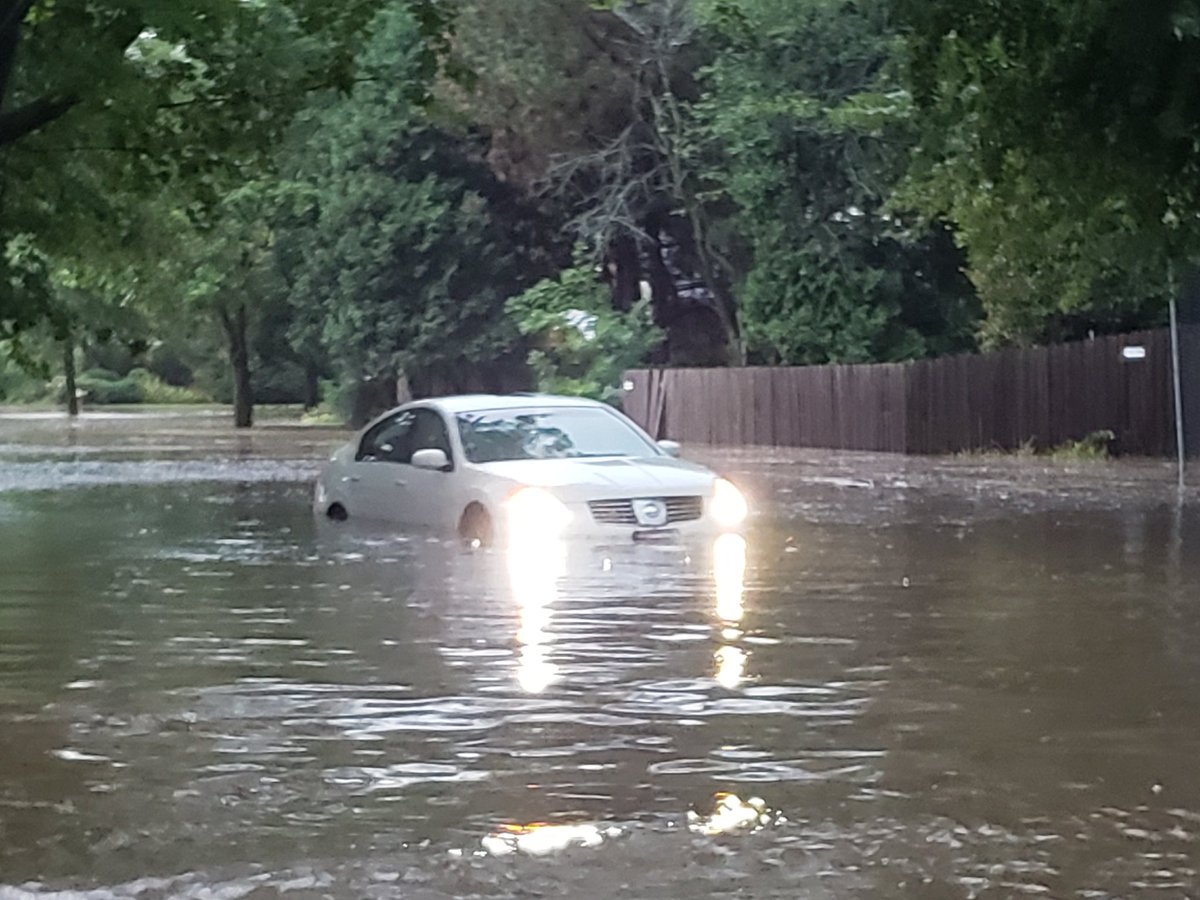
Vote tomorrow like it's Earth Day, or...
If you can't find enough in the Walker/GOP/Schimel Reward the Polluters record to motivate you, vote like...
It's the first day of school, and your kid gets the teacher you hoped for - - an actual teacher

who respects the profession and wouldn't drop a bomb on them.
Vote like it was that day you got the letter from your health insurer saying your child or spouse's pre-existing medical condition is and will always be covered.
Vote to make sure you never read the words "Leah Vukmir" and "US Senator" in the same sentence, because "Congressman" and "Glenn Grothman" is already nauseating enough.
Vote to have the kind of day you want after a hard commute home and found a notice in your mailbox that said your street would be repaired because the state decided to fix the roads we have before adding more lanes to the highways we can't afford.
Or that transit extensions are coming your way because the science-based officials you elected acknowledge the reality of climate change and understand that greenhouse gases need to be reduced to stem global warming.
Vote so you don't have to keep reading that the Wisconsin Attorney General is spending your tax dollars propping up the Koch brothers in a case 2,500 miles away after having turned part of the Department of Justice into a right-wing Legal Aid Society office.
Or that the incumbent Governor was using state airplanes like a private, campaign taxi service, or was squandering for his career aggrandizement more than $4 public billion dollars to subsidize a Taiwan-based firm's construction of a super-air-polluting mega-factory on top of flood-mitigating wetlands and rich farmland, but which now envisions a smaller factory, heavily-robotized.
Or that the incumbent Governor supported for President a candidate who was on the record bragging about sexually-harassing women.
And has repeatedly invited him to the state for self-serving joint appearances.
And who has yet to say a word of condemnation about that President's grabbing and caging children away from their detained, refugee-seeking parents and who has ordered up regular US Army troops by the thousands to confront the next group of legal refugee-seekers.
Vote so you don't have to read that Wisconsin counties are already the next toxified Flints, or that a rich donor is handed state parkland through sweetheart arrangements.
Or that you can stop reading that the chamber of commerce membership organizers who run the DNR won't block scientists from testifying at public hearings or turn a blind eye to polluting mining that will poison a sacred, state river, or add more hundreds of state waterways to the polluted rolls through intentionally-weakened public trust 'oversight.'
Vote tomorrow for public service and honest public servants, not for bellhops who always serve the penthouse, looking for big tips.